
The Home Inspection Checklist Every Buyer Needs
Last updated:
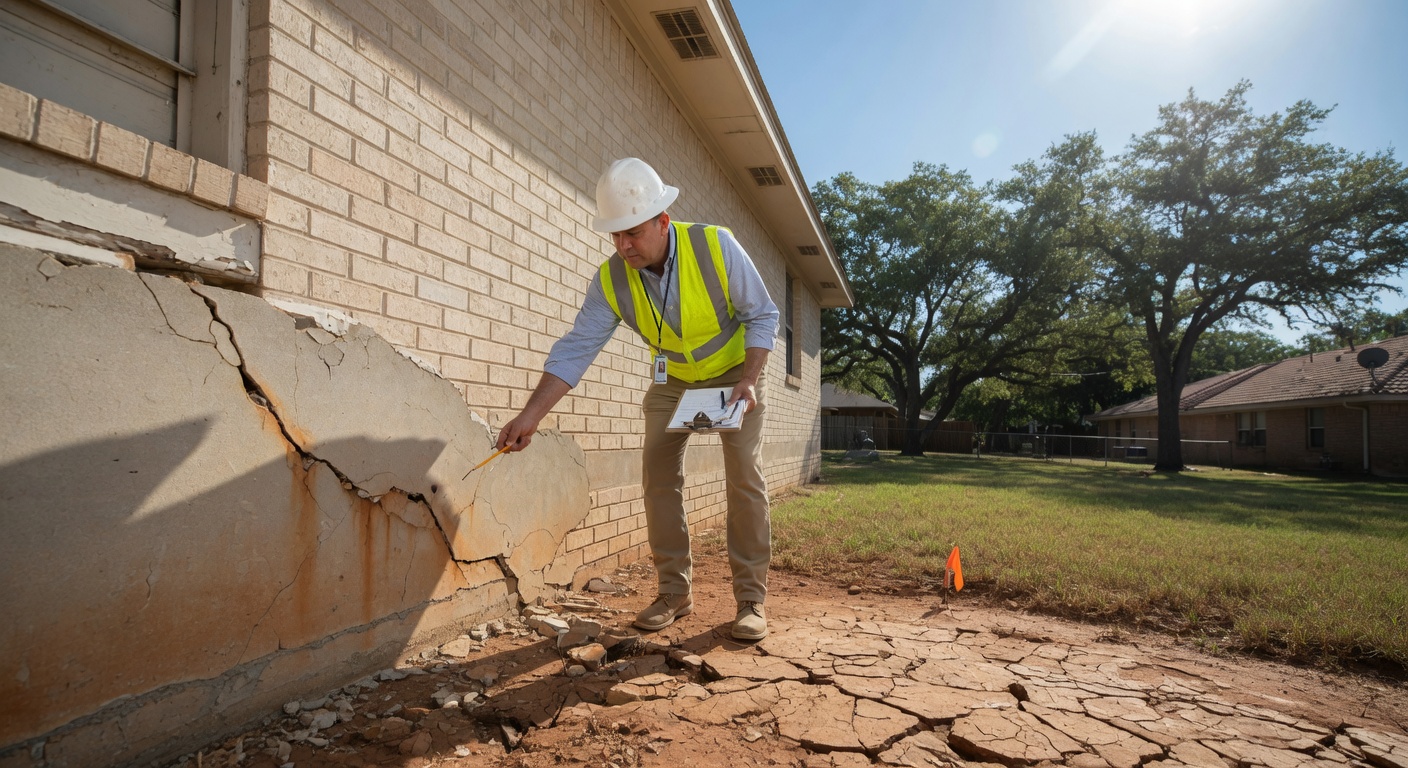
A home inspection is one of the most important steps in the buying process — and one that too many buyers either rush through or do not fully understand. After your offer is accepted and you enter the option period, a licensed inspector has a window of typically 7–10 days to examine the property top to bottom. What they find during that window can save you tens of thousands of dollars — or, if you know what to look for, it can give you the confidence to move forward without hesitation.
In San Antonio and the surrounding Hill Country, certain inspection items carry extra weight because of our climate, soil, and building history. Foundation settling in expansive clay soil, polybutylene plumbing in older homes, and HVAC systems that have been running at full capacity through 100°+ summers — these are not hypothetical concerns. They are realities that show up in inspections across the metro every week.
This checklist covers every major system an inspector evaluates, what each item actually means for you as a buyer, and which findings are genuine dealbreakers versus issues you can negotiate. Consider this your field guide for the most consequential walkthrough of your home-buying journey.
1. Roof Condition
The inspector will evaluate the roof's age, material, visible damage, flashing, gutters, and signs of leaking from the attic side. In San Antonio, many homes have composition shingle roofs rated for 20–30 years, and the intense sun and occasional hail can accelerate wear.
- What they check: Missing or curling shingles, damaged flashing around vents and chimneys, sagging areas, gutter condition, water stains on interior ceilings.
- Age context: A roof older than 15 years in San Antonio may be nearing the end of its useful life, especially if it has not been maintained. Some insurance companies will not write a policy on a roof older than 15–20 years without an inspection report.
Dealbreaker vs. Negotiable
Dealbreaker: Active leaking with structural damage to decking or rafters, or a roof that needs full replacement with no seller concession offered.
Negotiable: A few damaged shingles or minor flashing issues can typically be repaired for $300–$800. Ask the seller to repair or provide a credit at closing.
2. Foundation & Structural Integrity
This is the big one in San Antonio. Our soil is predominantly expansive clay — it swells when wet and shrinks when dry. This cycle causes houses to shift over time, and it is the leading cause of structural damage in the San Antonio metro.
- What they check: Cracks in exterior brick or slab, doors and windows that stick or do not latch properly, gaps between walls and ceilings, uneven floors, visible cracks in the foundation slab.
- San Antonio-specific note: Post-tension slab foundations are standard in this area. The inspector will look for signs of tension cable failure, which can manifest as diagonal cracks from window corners or significant floor sloping.
- Pier and beam homes: If you are buying an older home (pre-1970s) on pier and beam, the inspector will crawl under the house to check for sagging joists, moisture damage, inadequate support, and termite damage in the crawl space.
Foundation repairs in San Antonio typically range from $3,000 to $15,000+ depending on severity. Full foundation replacements on larger homes can exceed $25,000. This is the category where a thorough inspection pays for itself many times over.
Dealbreaker vs. Negotiable
Dealbreaker: Active foundation movement with significant structural damage, especially if the seller is unwilling to provide a substantial repair credit or bring in a structural engineer for further evaluation.
Negotiable: Minor hairline cracks (smaller than 1/8 inch) are normal settling and typically cosmetic. Moderate cracks can be monitored, and a seller can be asked to install or repair a drainage system to prevent worsening — which addresses the root cause for $1,500–$4,000.
3. HVAC (Heating, Ventilation & Air Conditioning)
In a city where summer temperatures routinely exceed 100°F and air conditioning runs seven months a year, your HVAC system is not optional — it is survival infrastructure. A failing HVAC in San Antonio is not just inconvenient; it is urgent.
- What they check: Age and condition of the condenser and air handler, refrigerant levels, thermostat operation, filter condition, ductwork integrity, signs of refrigerant leaks, proper drainage of the condensate line, and whether the system adequately heats and cools the home.
- Lifespan reality: The average HVAC system in Texas lasts 12–17 years. A system approaching 15 years old in San Antonio is nearing end-of-life, especially if it has been poorly maintained. Replacement costs range from $5,000 to $12,000+ for a full system.
- Ductwork matters: Leaky or poorly insulated ductwork in an attic can reduce efficiency by 20–30%. In San Antonio, where attic temperatures can exceed 150°F in summer, duct insulation and sealing are critical.
Dealbreaker vs. Negotiable
Dealbreaker: A non-functional HVAC system with no seller willingness to repair or replace. In San Antonio, you cannot close on a home without working AC — most lenders require it.
Negotiable: A system that works but is 12+ years old. You can negotiate a home warranty (typically $400–$600/year) or ask for a credit toward future replacement. Minor refrigerant top-offs and condensate line clearing are inexpensive repairs.
4. Plumbing
Plumbing issues are among the most expensive surprises a homeowner can face — especially when the problems are hidden behind walls or under the slab. In San Antonio, there is a specific plumbing concern that shows up in homes built between the 1970s and 1990s: polybutylene (poly-B) piping.
- What they check: Visible pipe material, water pressure at multiple fixtures, hot water heater age and condition (expect 8–12 years), signs of leaking under sinks and around toilets, water heater TPR valve operation, drain flow speed, and hose bib condition.
- Polybutylene piping: This gray or blue flexible plastic pipe was widely used in San Antonio homes from the late 1970s through the mid-1990s. It is prone to failure — cracking, leaking, and bursting — often without warning. Insurance companies increasingly refuse to cover homes with poly-B pipes, and lenders may require replacement before closing. Full re-piping typically costs $4,000 to $10,000+ depending on home size.
- Slab leaks: In homes with slab foundations, supply lines sometimes run under the concrete. A slab leak requires specialized detection equipment and may involve breaking through the foundation to repair. These can cost $1,500 to $5,000+ to locate and fix.
Dealbreaker vs. Negotiable
Dealbreaker: Active polybutylene piping with no plan or seller commitment to replace it. If your insurance will not cover the home, the transaction effectively cannot proceed. Always ask your insurance agent about poly-B before you close.
Negotiable: Minor drips at fixtures, an aging but functional water heater, or slow drains in one bathroom. These are typically low-cost repairs ($200–$800) that can be negotiated into the seller's repair obligations or handled with a credit.
5. Electrical Systems
Faulty wiring is a safety hazard and a common issue in older San Antonio homes, many of which were built decades ago and may not have been updated to meet current electrical codes.
- What they check: Electrical panel capacity and condition (look for Federal Pacific or Zinsco panels — both have known safety issues), wiring type (copper is preferred; aluminum branch wiring in homes from the 1960s–70s is a concern), GFCI protection in wet areas, outlet function, and signs of overloaded circuits or DIY electrical work.
- Panel concerns: Federal Pacific and Zinsco panels are common in San Antonio homes built in the 1970s–80s. Both have documented failure rates and are considered safety hazards by many electricians and home inspectors. Replacement costs approximately $1,500 to $3,500.
- Panel capacity: Older homes may have 100-amp service, which is often insufficient for modern electrical loads (especially with central A/C, electric appliances, and EV charging). An upgrade to 200-amp service runs $1,800 to $4,000.
Dealbreaker vs. Negotiable
Dealbreaker: Extensive knob-and-tube wiring still in active use, aluminum branch wiring with no remediation, or a panel that poses an immediate fire risk. These can also prevent you from obtaining homeowner's insurance.
Negotiable: Missing GFCI outlets in a garage or bathroom (cheap to install — $150–$300), a panel that works but is older, or a few non-functioning outlets. Ask the seller to address safety items and negotiate a credit for upgrades.
6. Insulation & Energy Efficiency
Proper insulation in San Antonio is not a luxury — it directly impacts your comfort and your electric bill. With summer highs regularly above 100°F, an under-insulated attic can add hundreds of dollars to your monthly cooling costs and put extra strain on your HVAC system.
- What they check: Attic insulation type and depth (blown-in fiberglass or cellulose is standard; R-38 to R-49 is recommended for the San Antonio climate zone), vapor barrier condition, signs of moisture intrusion or mold, and whether insulation is blocking soffit vents.
- Cost to fix: Adding blown-in attic insulation to an under-insulated home typically costs $1,200 to $3,500 depending on attic size — one of the best ROI improvements you can make.
- Window condition: While not always part of a standard inspection scope, single-pane windows or failed seals on older double-pane windows can be a significant energy loss. Window replacement runs $400 to $800 per window installed.
Dealbreaker vs. Negotiable
Dealbreaker: Mold growth caused by insulation failure and moisture intrusion, especially in enclosed wall cavities. This may require professional remediation ($2,000–$10,000+) and should be further evaluated.
Negotiable: Attic insulation that is low but not absent. This is a relatively affordable fix that you can negotiate as a seller credit or handle yourself after closing for immediate energy savings.
7. Pest & Termite Inspection (WDI)
In Texas, a Wood-Destroying Insect (WDI) inspection — commonly called a termite inspection — is required by most lenders. Termites are active year-round in San Antonio, and subterranean termites in particular can cause severe structural damage before they are visible.
- What they check: Evidence of active or past termite activity, damage to structural wood, mud tubes along the foundation, conditions that attract termites (wood-to-soil contact, excessive moisture near the foundation), and other wood-destroying organisms like carpenter ants and wood-boring beetles.
- Cost context: A WDI inspection typically costs $75 to $150 and is customarily paid by the seller in San Antonio. Termite treatment, if needed, ranges from $800 to $2,500 depending on the treatment method and extent of infestation.
- Repair costs: Structural termite damage repair can range from a few hundred dollars for minor framing to $5,000 to $15,000+ for extensive damage to load-bearing elements.
Dealbreaker vs. Negotiable
Dealbreaker: Active termite infestation with significant structural damage and a seller unwilling to treat and repair. Most lenders will not fund a loan on a home with active WDI damage.
Negotiable: Past termite activity with no current infestation and repaired damage. Ask for documentation of past treatment and consider a preventive treatment plan. Minor WDI damage to non-structural elements is usually cosmetic.
8. Additional Systems & Components
Beyond the major systems above, your inspector will evaluate several other components that matter:
- Garage door and opener: Function, auto-reverse safety feature, weatherstripping, and structural integrity.
- Fireplace and chimney: Flue condition, damper operation, and firebox integrity. Creosote buildup in wood-burning fireplaces is a fire hazard.
- Grading and drainage: The ground should slope away from the foundation. Poor grading is one of the leading causes of foundation and moisture problems in San Antonio.
- Exterior siding and paint: Condition of stucco, Hardie plank, brick, or other exterior materials. Cracks in stucco can allow moisture intrusion.
- Attic ventilation: Proper soffit and ridge vent function prevents moisture buildup and reduces cooling costs.
- Sewer line: For older homes, a sewer scope inspection (typically $150–$300) can reveal root intrusion, bellied pipes, or cracked clay sewer lines — repairs that can cost $3,000 to $15,000+.
San Antonio-Specific Inspection Concerns
Every market has its quirks. Here is what makes San Antonio inspections different from other parts of the country:
Expansive Clay Soil & Foundation Settling
San Antonio sits on highly expansive clay soil that swells when wet and contracts when dry. This cycle puts enormous stress on foundations and is the number one cause of structural damage in the area. A good inspector will look for the telltale signs: diagonal cracks from window corners, doors that stick in their frames, and uneven floors. Always ask if the home has a drainage system (French drains, channel drains, or gutter extensions) — proper water management is the best defense against foundation movement.
Polybutylene (Poly-B) Piping
Gray or blue polybutylene pipes were installed in thousands of San Antonio homes from the late 1970s through the mid-1990s. These pipes are known to fail — sometimes catastrophically — and many insurance companies will not write a policy on a home with active poly-B plumbing. If the home was built between 1978 and 1995, ask specifically about pipe material. Replacement is not cheap, but it is essential if you want insurance coverage.
Hard Water & Mineral Deposits
San Antonio has notoriously hard water. While not a structural issue, hard water accelerates wear on water heaters, fixtures, and appliances. Look for white mineral buildup on faucets and showerheads, and ask about the age and condition of the water heater. A water softener system costs $1,200 to $2,500 installed and can extend the life of your plumbing and appliances significantly.
Hail & Storm Damage
San Antonio is in "hail alley." Hail damage to roofs, siding, gutters, and HVAC condenser coils is common. An inspector will note any visible storm damage, but it is also worth asking the seller if they have had any recent insurance claims or roof repairs. Ask for documentation.
How to Use the Inspection Report
Getting a 40-page inspection report back can feel overwhelming. Here is how to approach it practically:
- Focus on the big systems first: Roof, foundation, HVAC, plumbing, and electrical. These represent the highest cost items and the most likely dealbreakers.
- Separate safety from cosmetic: A cracked tile floor is cosmetic. A double-tapped electrical breaker is a safety issue. Prioritize anything the inspector flags as a safety concern.
- Get repair estimates: For significant items, do not just accept the inspection finding at face value. Get a separate estimate from a qualified contractor. This gives you a real number to negotiate with.
- Use the report as a negotiation tool: In Texas, you can use inspection findings to request repairs, a price reduction, or a credit at closing during your option period. Not every finding warrants a negotiation request — but major items absolutely do.
What a Home Inspection Costs in San Antonio
Standard home inspections in the San Antonio area typically run:
- General home inspection: $350 to $550 for a standard single-family home
- Termite/WDI inspection: $75 to $150 (often paid by seller)
- Foundation specialist inspection: $150 to $300 (recommended if the general inspector flags concerns)
- Sewer scope: $150 to $300 (recommended for homes 20+ years old)
- Septic inspection: $200 to $500 (only for homes with septic systems)
The total investment for a comprehensive inspection package is typically $500 to $1,200 — a small price to pay for clarity on a six-figure purchase. This is money you spend before closing, so it does not appear on your Closing Disclosure, but it is absolutely worth budgeting for.
Frequently Asked Questions
Should I skip the home inspection to make my offer more competitive?
No. Skipping the inspection might make your offer look cleaner to a seller, but it exposes you to potentially tens of thousands of dollars in unknown repair costs. In our experience, the inspection pays for itself many times over. The rare exception is in a hot, competitive market with multiple offers — even then, we recommend at minimum a pre-offer walkthrough with a qualified inspector.
What is the difference between a home inspection and a home appraisal?
A home inspection evaluates the condition of the property — structure, systems, and components. It is performed for your protection as the buyer. An appraisal evaluates the property's market value and is performed for the lender to confirm the home is worth the loan amount. Both matter, but they serve different purposes.
How long does a home inspection take?
A standard home inspection typically takes 2 to 4 hours depending on the size and condition of the home. We strongly recommend that you attend the inspection in person. Walking through the home with the inspector gives you a much better understanding of the findings than reading a report after the fact.
What happens if the inspection finds major problems?
You have several options during the option period: you can negotiate repairs with the seller, request a price reduction or closing credit, ask the seller to replace the item before closing, or terminate the contract and walk away (if you have an active option period). The key is having an agent who knows how to negotiate these findings effectively.
Do I need a separate foundation inspection?
If the general inspector flags any foundation concerns — cracks, sloping floors, sticking doors — we always recommend a follow-up evaluation by a licensed foundation repair specialist. In San Antonio, where clay soil puts extra stress on foundations, a specialist's assessment can give you a much more detailed picture and a repair estimate you can actually use in negotiations.
Is a new construction home inspected differently?
New construction homes still benefit from an independent inspection. Builder quality varies, and even brand-new homes can have defects — from improper grading and missing insulation to improperly installed appliances. An inspection before your final walkthrough with the builder helps you catch issues while they are still the builder's responsibility to fix.
Buying a home in San Antonio and want a trusted guide through the inspection process?
We walk our clients through every step of the inspection — from choosing the right inspector to negotiating the findings. Real estate, without the performance.